
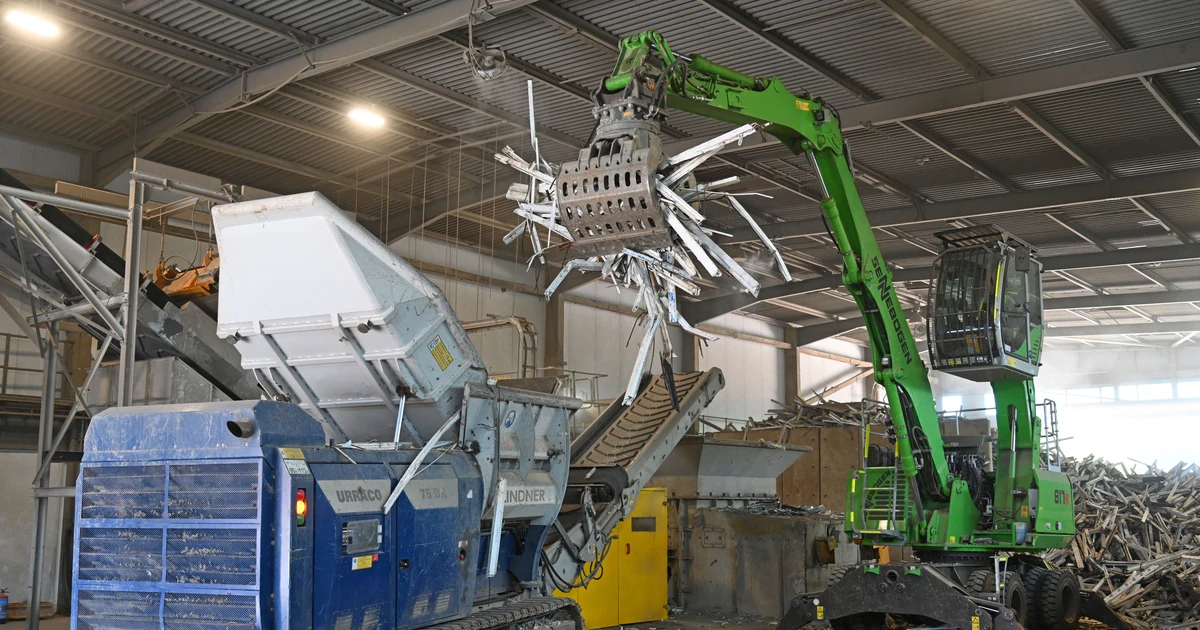
Getting rid of old frames is an essential part of the job for window and door companies but doing this responsibly, while running a profitable business, can pose challenges for busy installers.
Skip hire costs alongside increasing scrutiny of waste disposal processes means that businesses must ensure materials are being passed on to trusted, competent and compliant operators.
With access to the right channels, responsible waste disposal can help installers save money and increase efficiency, as well as protecting the planet.
Since FENSA’s recycling scheme relaunched in February 2026, more than 103 tonnes of PVC-U have been diverted from landfill, with participating installers saving an average of £470 per year on waste disposal costs.
“For an industry operating under continuing cost pressures, that’s a significant benefit,” says Sam Davies, Technical Manager at FENSA.
“Installers are dealing with significant economic and regulatory challenges right now, so we want to make life as easy as possible for them. The recycling scheme is free for our members to use, so it’s actually improving profitability for installers by saving the money that would have been spent on skip hire and associated costs.”
Providing access to recycling services for glass, timber and aluminium in addition to PVC-U, FENSA’s partnerships with specialist recycling partners such as VEKA and REHAU ensure waste materials are processed through recognised and reputable channels.
Conveniently, in most cases, old windows can now be handed over as complete units, exactly as they have been removed from the property, cutting out the hassle of deglazing and material separation.
With such a strong incentive for use, the scheme also addresses the issue of fly-tipping, which has been under increasing scrutiny after recent cases of illegally dumped waste attracted significant media attention.
“There have been some really shocking stories in the news about unlicenced operators dumping waste on an industrial scale, so installers need to be absolutely confident that their waste materials will be handled and disposed of legally,” says Sam. [Link: bbc.co.uk/news/articles/cvgyx45zzwgo]
Waste that is collected and subsequently fly-tipped can potentially be traced back to the original producer, with serious legal consequences for those involved.
This means installers must take reasonable steps to ensure their waste is transferred to an authorised carrier and handled appropriately, including the provision of the correct documentation to demonstrate compliance.
FENSA recycling scheme collections come with legally required Waste Transfer Notes to provide evidence of how materials have been processed and diverted from landfill.
“By offering free, trusted, legal and compliant disposal routes, there’s no financial incentive for installers to take a chance with an unlicensed ‘man in a van’ waste collector,” says Sam.
“Providing the right documentation and an accessible, nationwide service also helps to prevent old frames from ending up in the wrong hands.”
The financial element is particularly relevant at a time when installers are monitoring overheads and comparing the value of the services they receive from industry organisations such as FENSA.
With average annual waste disposal savings of £470 for participating installers, FENSA argues that the recycling benefit alone can go a long way towards offsetting the cost of membership.
In addition, members receive expert technical guidance to help them navigate regulatory requirements, support with certification, and access to a knowledgeable and approachable customer service team, rated 4.5 on Trustpilot.
“It’s all part of our commitment to put installers first and give them the tools they need to operate compliantly and professionally,” explains Sam.
Sustainability is also a key selling point.
As homeowners become increasingly concerned about the environmental impact of their home improvement projects, knowing their old windows and doors are disposed of responsibly after replacement can help to reinforce a good sales pitch.
Through its #AskForFENSA campaign, FENSA encourages homeowners to look for competent, registered installers, and responsible waste management provides another way for installers to reinforce that message, and their own credibility.
Being able to explain how old frames and glass are collected, processed and recycled, supported by appropriate documentation, gives homeowners greater confidence that they are working with an environmentally responsible, reputable installer.
The FENSA scheme offers a practical way for members to demonstrate that, without having to establish their own recycling arrangements or take on additional collection costs.
As sustainability continues to move up the home improvement agenda, the scheme reflects FENSA's wider commitment to supporting installers with practical benefits, at a time when businesses across the window and door supply chain continue to battle tough market conditions.
“The success of the FENSA recycling scheme shows that doing the right thing does not have to be a drain on resources,” adds Sam.
“The initiative is convenient, accessible and free - and the savings generated as a result can do great things for both your bottom line as well as your reputation.”