
Business Pilot says the latest data from its Business Pilot Barometer shows the retail window and door market continuing to adjust to more uneven trading conditions, with performance increasingly driven by operational efficiency rather than sustained demand growth.
The Business Pilot Barometer tracks monthly industry data covering average order values, lead times, leads, sales and conversion rates.
Neil Cooper-Smith, Senior Analyst at Business Pilot, says April’s figures indicate installers are becoming more effective at converting enquiries into confirmed work.
Conversion rates increased from 39.3% in March to 40.0% in April, following February’s figure of 38.7%. According to Business Pilot, this continues the gradual upward trend seen since the start of the year.
Lead volumes, however, remained more variable. Average leads rose to 115 in March before falling back to 109.1 in April, broadly in line with February’s 109.0.
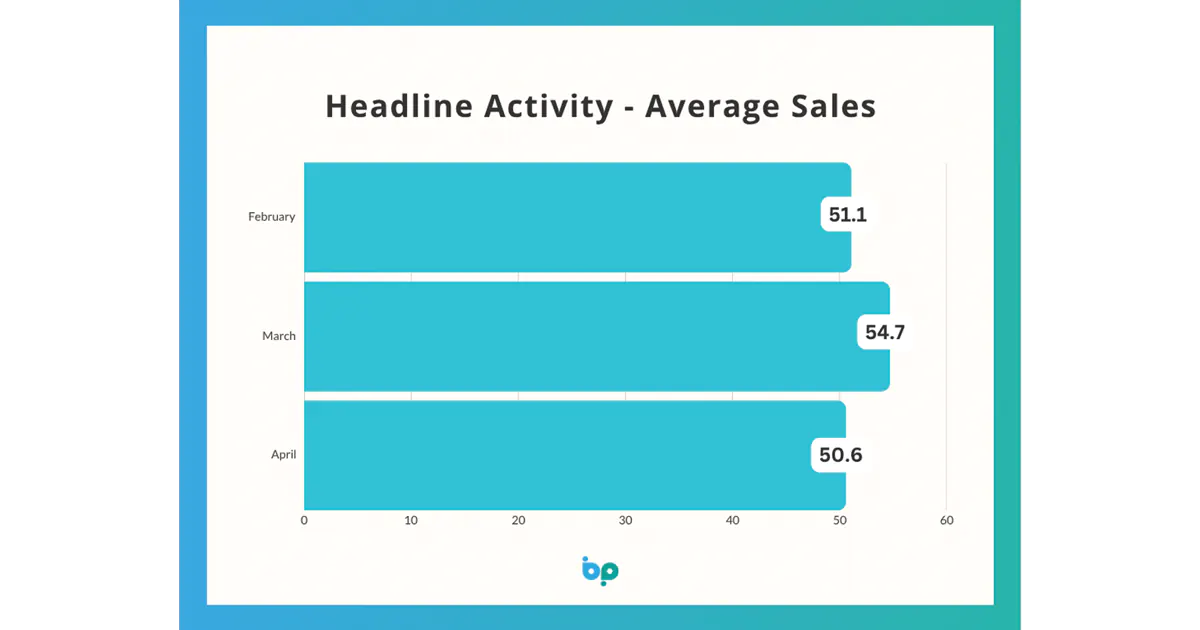
Sales performance followed a similar pattern. Average sales increased from 51.1 in February to 54.7 in March before easing to 50.6 in April.
Despite fluctuations in lead and sales volumes, conversion rates continued to improve. Cooper-Smith says this suggests businesses are extracting greater value from enquiries through stronger sales processes, improved follow-up and potentially better-qualified leads.
Lead times also shifted during the period. After remaining relatively stable at 26.6 days in February and 26.4 days in March, average lead times fell to 21.8 days in April.
According to Business Pilot, this reduction may indicate improved operational efficiency, increased production capacity or reduced order backlogs.
Average order values also appeared to stabilise following February’s peak of £4,693. Values fell to £3,876 in March before recovering slightly to £3,954 in April.
Cooper-Smith says the wider economic environment continues to influence market conditions, with inflation stabilising but pressure from energy costs and wider global instability still affecting household confidence and discretionary spending.
“In practical terms, this places greater emphasis on process, responsiveness, and visibility,” Cooper-Smith explains. “Businesses that can track performance closely, follow up quickly, and maximise conversion are best positioned to maintain output, even when enquiry volumes fluctuate.”
Business Pilot says data visibility and pipeline management tools are becoming increasingly important in helping installers manage sales performance and operational efficiency.