
A homeowner notices something they are unhappy with. Something’s not quite aligned. A door feels stiff. Draughts, scratches, or overall finish. Whether the issue is significant or not, the result is often the same: payment is withheld.
In the glazing industry, disputes rarely begin with major defects. More often than not, they begin with uncertainty.
For installers, this can quickly become a serious commercial problem.
In many cases, a substantial balance remains due at completion, particularly as more installers move away from taking large deposits upfront. If the homeowner refuses to release payment, cash flow immediately comes under pressure.
In the current economic climate, that pressure is felt in every area.
Rising costs, tighter margins, and cautious consumer spending are creating strain across the supply chain, while homeowners are increasingly likely to question issues before releasing final payment.
For installers, even relatively small withheld balances can disrupt cash flow, delay projects, and place additional pressure on already stretched operations.
“The reality is that once a homeowner has concerns, their only real leverage is to hold back some or even all of the balance,” explains Dave Mechem, Managing Director of FENSA and RISA.
“That could be a relatively small percentage, or it could be the entire contract value.”
At that stage, many disputes begin to escalate unnecessarily. Installers may feel they are in the right technically, while homeowners remain unconvinced.
Communication breaks down, positions harden, and what began as a straightforward snagging concern risks becoming a formal contractual dispute.
While legal action remains an option, it is rarely a quick or commercially practical route.
“You can pursue matters through court if you believe you are right,” continues Dave. “But, realistically, recovering that money can take a very long time, even if the outcome eventually goes in your favour.”
This is where independent inspection can fundamentally change the direction of a dispute.
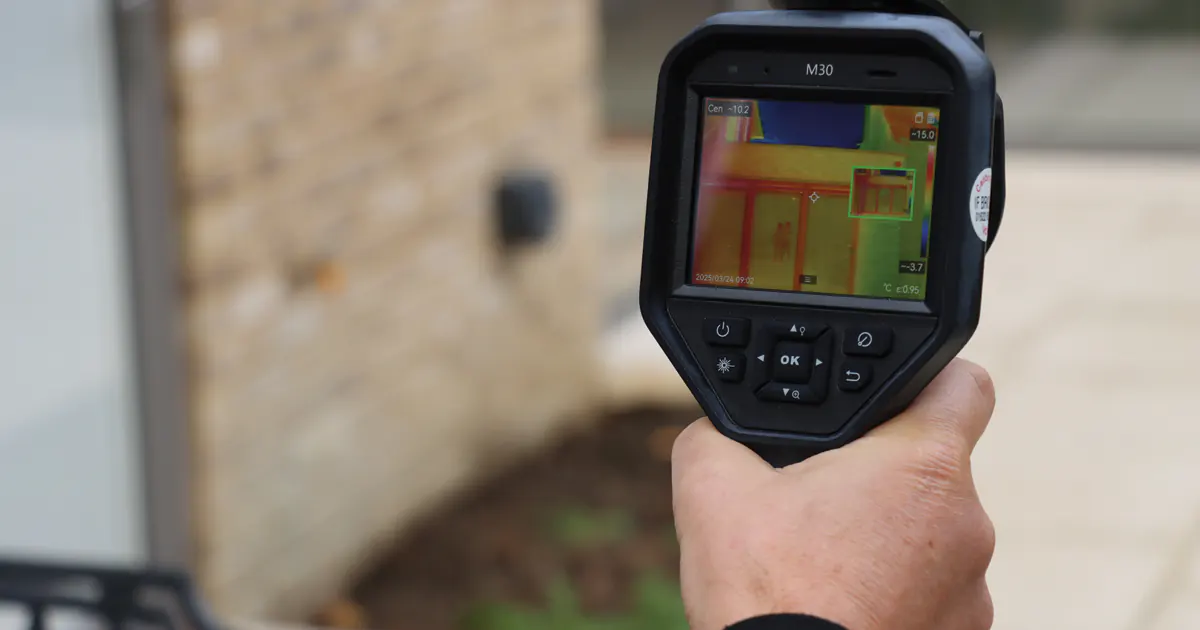
Rather than relying on opinion or conflicting accounts, RISA’s role is to establish the facts. Its inspectors assess the installation against relevant standards, identify whether defects are present, and set out clearly what remedial action may be required.
Critically, that independent evidence often provides the reassurance needed to move disputes forward quickly.
Homeowners who may struggle to accept reassurance directly from an installer are often far more willing to accept findings from an impartial third party, finding peace in a second opinion.
Equally, installers gain a defensible technical assessment that supports their position and helps avoid disproportionate remedial demands.
“RISA can confirm exactly what issues are present, what needs to be done about them, and whether a financial settlement may be more appropriate than remedial works,” continues Dave.
That independent clarity benefits both parties.
Where installations are compliant, disputes can often be resolved quickly and payments are released. However, where genuine issues are identified, reports establish proportionate remedial routes rather than defaulting immediately to full replacement.
This specialist approach is particularly important within modern fenestration, where tighter tolerances, specialist products, and heightened consumer expectations can make subjective complaints increasingly common.
RISA’s inspection team comes from operational glazing backgrounds, including surveying, installation, manufacturing, and technical assessment.
That practical industry knowledge allows issues to be viewed in context and realistic solutions to be identified.
Ultimately, RISA’s role is not simply dispute resolution.
It is about protecting installer cash flow, maintaining professional reputation, and ensuring technical disagreements are resolved through evidence rather than emotion.
“The quicker disputes are resolved, the less damaging they become commercially,” concludes Dave. “Independent inspection helps everyone move forward faster.”
For more information about RISA, please visit www.risaltd.co.uk or call 0207 939 9301 or email