Flat Glass Solutions will be representing a range of international brands across the glass processing sector at this year’s Glasstec in Düsseldorf. With equipment and solutions spanning multiple facets of glass production, FGS can offer visitors the right technology for their specific requirements, drawing on its in-depth knowledge of both machinery and manufacturing processes. By bringing several international solutions together, FGS offers a valuable opportunity for companies to explore the options available and make the most of time at the show.
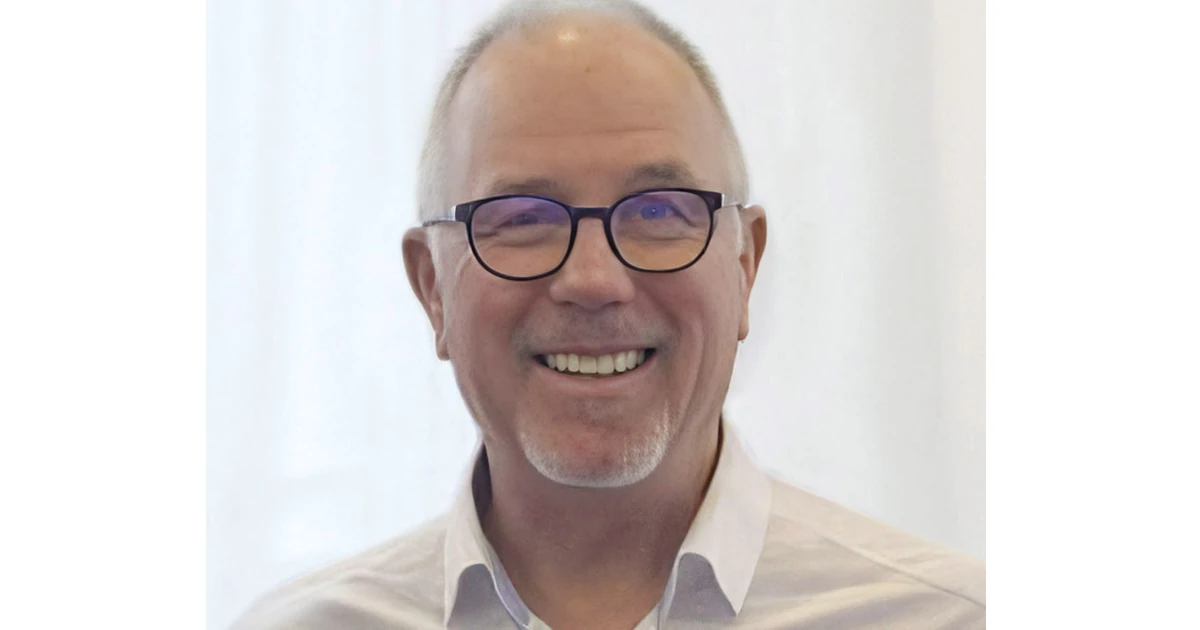
Managing director David Cahill will attend the Düsseldorf exhibition from 20–23 October, representing eight of FGS’s international machinery partners: Dieffe, Elephant, Huaray, Tenon, Tesir Makine, Viprotron, Yinrui and Yuntong.
David is inviting glass and glazing companies attending the event to arrange a one-to-one meeting – whether they have a clearly defined machinery requirement or simply know there is a gap, weakness or untapped opportunity within their operation. David will then work with visitors to explore which solution may best meet their requirements, providing practical insight to help shape future investment decisions.
Across its international partner network, FGS provides solutions covering virtually every stage of the glass-processing cycle: from loading, handling and cutting through to CNC processing, toughening, washing, insulated glass production, sealing and automated quality inspection.
This breadth of expertise enables David to approach each conversation from the perspective of the processor and its complete operation – not from the starting point of selling a particular machine.
“Some of the most valuable conversations begin with someone saying, ‘We know something isn’t working as well as it should, but we’re not sure what the answer is,’” said David.
“That might mean a bottleneck is restricting output, too much skilled labour is being absorbed by a repetitive task, quality problems are being identified too late or existing machinery is no longer keeping pace with the direction of the business.
“You don’t need to arrive at glasstec with a finished specification or a shopping list. Tell me where the frustration is, what you are trying to achieve or where you believe there may be a gap, and we can start from there.”
FGS has built its machinery portfolio by identifying proven technologies and technical advances from manufacturers across Europe and Asia, then making that expertise accessible to the UK glass industry.
Its partner brands include innovations in smart factories, intelligent glass cutting and loading, automated IGU production, vertical CNC processing, tempering, laser technology, vacuum lifting and handling, and sophisticated scanner systems capable of detecting defects at multiple stages of production.
David continued: “The international market is developing rapidly, and some of the most interesting advances are coming from manufacturers that UK processors may not yet know particularly well.
“Our role is to understand those technologies, assess where they can add genuine operational value and connect processors with the right expertise. Innovation is only useful when it solves a real problem – whether that is improving safety, raising quality, reducing waste, increasing capacity or creating a more efficient flow through the factory.”
As one of the world’s largest glass industry exhibitions, glasstec offers visitors access to an enormous range of machinery and technology. However, the scale of the event can also make it difficult to determine which developments are genuinely relevant to an individual business.
By arranging a meeting with David in advance, visitors can discuss their priorities, examine the options available across FGS’s partner network and, where appropriate, be introduced directly to the relevant manufacturers and technical specialists at the show.
“It is very easy to spend several days looking at impressive machinery and still return home without a clear answer,” added David.
“My job is to help cut through that noise. The right solution might be a complete new line, but it could equally be a targeted upgrade, a better handling system, an additional inspection stage or a piece of automation that removes one persistent production problem.
“Sometimes the first step is simply sitting down with somebody who understands the complete processing cycle and asking: ‘Where do we go from here?’ That is exactly the conversation I will be at glasstec to have.”