
For much of the sector’s history, recycling has been viewed as a necessary inconvenience. Waste is removed, skips are hired, and materials are disposed of quickly so projects can move on. Sustainability, while increasingly discussed, has often been treated as something that adds costs rather than value. That narrative is now being challenged.
As environmental accountability rises across construction and home improvement, transparency of the full product life cycle is increasingly demanded of installers once a project is complete.
Homeowners are asking more questions, supply chains are tightening expectations, and sustainability has grown beyond corporate statements – it has become part of everyday business practice.
Yet, for many installers, the practical barriers to recycling have remained stubbornly familiar. Skip hire, disposal fees and complicated access to recycling services have meant that doing the responsible thing often comes with a hefty financial penalty.
For smaller business in particular, the cost of waste management quickly adds up, making recycling an optional extra rather than a standard practice.
This all led to FENSA’s new recycling scheme, designed to remove one of the biggest obstacles facing installers – the cost.
Available for free to FENSA installers, the scheme provides a streamlined process to recycling window and door waste without any additional charges.
By reducing reliance on skips and traditional disposal routes, the initiative allows installers to lower waste costs while simultaneously improving their environmental performance.
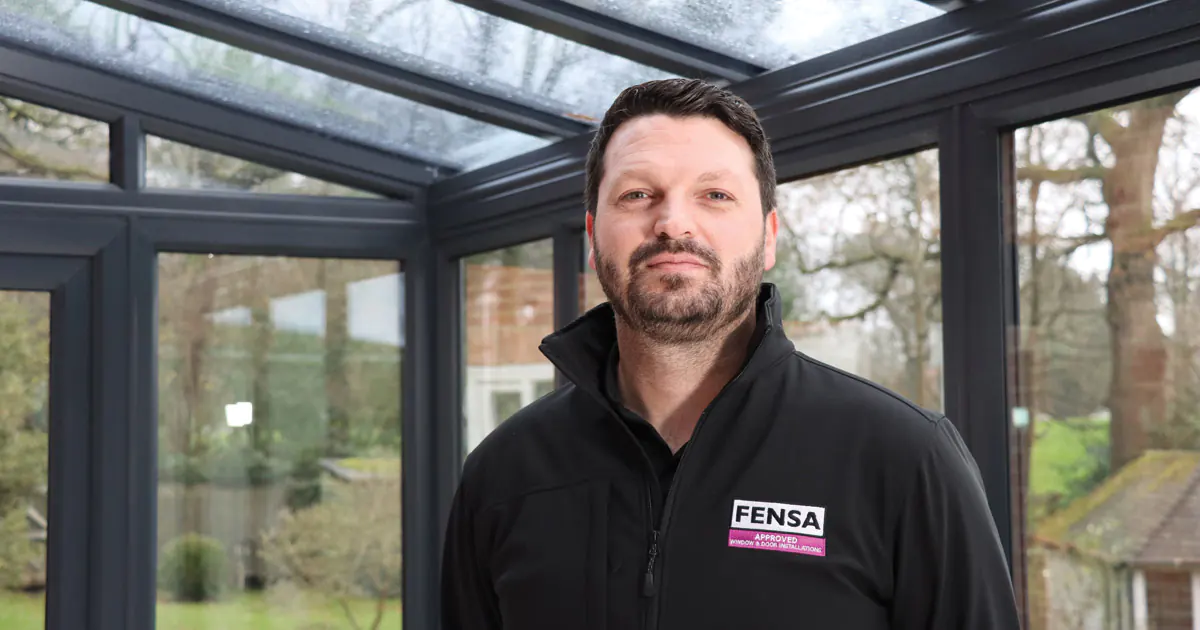
“For too long, sustainability has been treated as a luxury,” says Sam Davies, Technical Manager at FENSA. “Responsible practise shouldn’t be reserved for businesses with bigger pockets, and it definitely shouldn’t come with a price tag. This scheme shows that installers of all sizes can minimise waste, reduce skips costs, and improve their environmental impact.”
The scheme has been designed with practicality in mind. The simple process of arranging collections through a postcode-based referral systems helps to allocate collections efficiently, while ensuring installers know exactly where their waste is going and how it will be processed.
To build on that, confirmation and reporting processes provide greater visibility of recycling activity, which in turn allows installers to evidence what has been recycled and when.
In an industry where transparency is key, that visibility is becoming just as important as the act of recycling itself.
Support for the scheme comes from specialist partners VEKA and REHAU, both of which bring established expertise in uPVC recycling, alongside May Glass Recycling, which supports the responsible processing of glass materials. Together, the partners deliver an efficient and impactful tool for FENSA installers across the UK.
Additionally, this range of coverage is significant. Instead of requiring installers to navigate multiple routes for multiple materials, the scheme simplifies the process and delivers a streamlined approach to waste management. One that is designed to naturally work alongside an installer’s average day, not disrupt it.
Beyond day-to-day operations, the scheme reflects a broader shift in how sustainability is perceived within and around the sector. Environmental performance is increasingly influencing purchasing decisions, with homeowners paying closer attention to how products are sourced, installed, and disposed of.
Here, installers who can demonstrate responsible waste management are often perceived as more professional and reliable.
“Recycling shouldn’t feel like a compromise,” adds Sam. “When installers can cut waste, reduce skip costs and improve their environmental performance without increasing overheads, it changes the conversation entirely. At that point, responsible practice stops being optional and starts becoming the standard.”
As sustainability expectations continue to rise and margins remain under pressure, initiatives that align environmental responsibility with clear commercial benefits are an essential part in the shift in the sectors future.
Sam Davies, Technical Manager fensa.org.uk