
Rising material costs, energy prices and operational pressure are forcing many installer fabricators to take a closer look at where profit is really being made.
Rob Brearley, Group Managing Director at Glazerite, says the challenge facing the industry is no longer just about passing on rising costs, but understanding how efficiency, waste and operational visibility directly affect profitability.
“We’ve seen some staggering increases across core materials in a very short space of time”, Rob says. “Not just fuel prices, but silicone, mastics, foils, components and profile itself. And we expect those increases to continue over coming months.”
Rob believes businesses can no longer rely on the traditional response of simply increasing prices to protect margin.
“You can’t continue to pass costs onto customers indefinitely”, Rob says. “At some point, businesses have to look internally at their own efficiencies and where money is being lost.”
The Shrinking Margin For Error
For installers, market conditions remain challenging. Homeowners continue to spend cautiously, competition remains aggressive and price sensitivity remains high. At the same time, businesses are dealing with increased operational costs across almost every part of the supply chain.
Every remake, rejected frame, wasted journey and service call now carries greater financial impact than it once did.
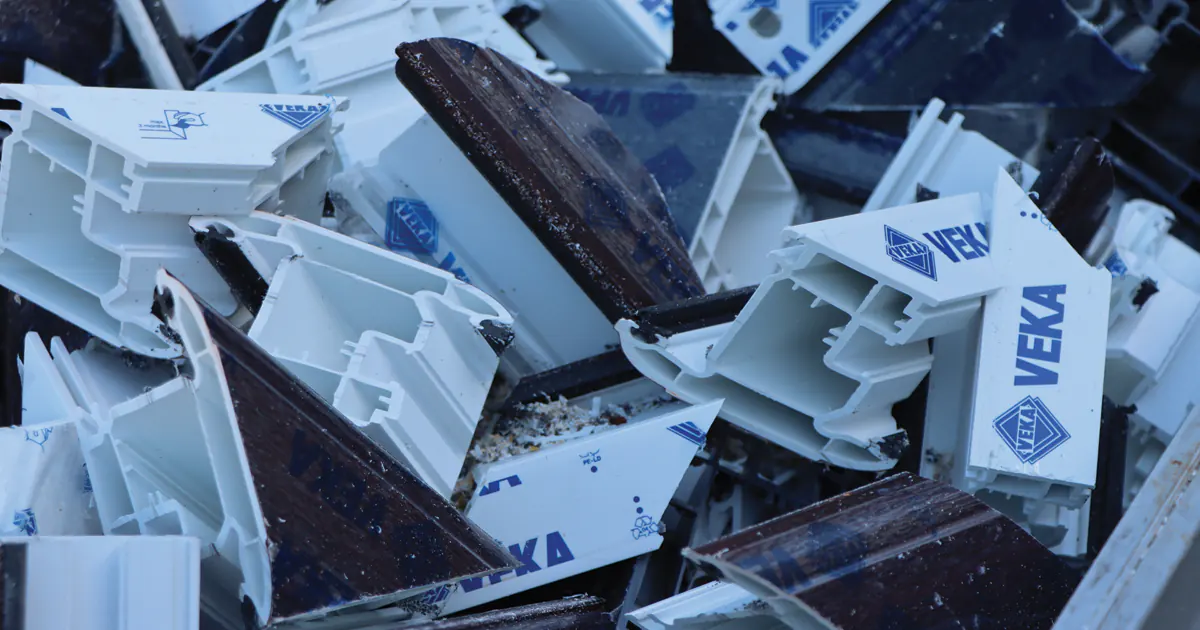
“There’s a real war on waste at the moment”, Rob explains. “Wasted efficiencies, wasted productivity, wasted time, wasted energy. We’re concentrating more on the detail because that’s where businesses either protect profit or lose it.”
Why Visibility Matters More Than Ever
Across the industry, there is a growing focus on data, systems and operational visibility.
“Smaller fabricators may still be operating from paper-based systems or without the reporting structures that larger operations have”, Rob says. “They may not always know their exact cost per frame, labour cost, delivery cost or energy cost.”
At Glazerite, Rob says investment in systems and reporting allows the business to identify where efficiencies are being lost almost immediately.
“Information generated today can be analysed tomorrow morning”, he explains. “That visibility allows us to react very quickly and understand where waste is occurring.”
Are Installers Carrying Too Much Manufacturing Burden?
Historically, many installation businesses viewed fabrication as a way to gain greater control and improve profitability. But rising costs and increasing manufacturing complexity are forcing many businesses to rethink that approach.
“What we want to do is remove some of that burden from smaller installer fabricator businesses”, Rob says. “By manufacturing at scale, we can produce a highly cost-effective product and allow installers to focus on the installation side of their business.”
As fabrication becomes more specialist and operationally demanding, many installers are recognising that working with larger manufacturing operations allows them to focus investment and resource where it delivers the strongest return.
Controlling What Can Be Controlled
Rob believes businesses still have significant control over how they respond internally.
That means focusing on operational discipline, reducing waste, improving efficiency, increasing visibility, protecting margin and concentrating on core strengths because while inflation and material pricing may sit outside the industry’s control, operational performance does not.
And in today’s market, the businesses that manage inefficiency best may ultimately be the businesses that navigate uncertainty most successfully.
For more information visit www.glazeritewindows.co.uk, email